It all started with
Harsha mentioning one day about the nine forts or the
Navadurgas that Tipu Sultan built around Bangalore-Mysore. And long before
trekking became as fashionable as it is now, we were traveling to interesting places around Bangalore digging (not literally) for stories and nuggets of history. In fact, a lot of the popular trekking locations around Bangalore like
Nandidurga Nandi Hills (remember the
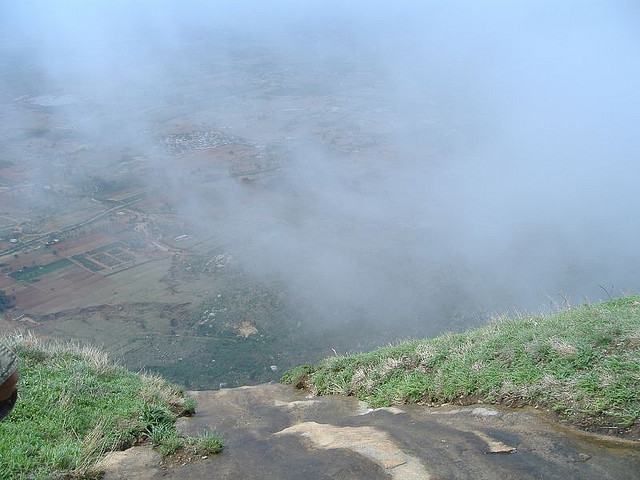
Tipu drop?), Savandurga etc.are forts built by Tipu Sultan.This isn’t the Tipu drop, but you can imagine how fatal a drop from a height like this can be.
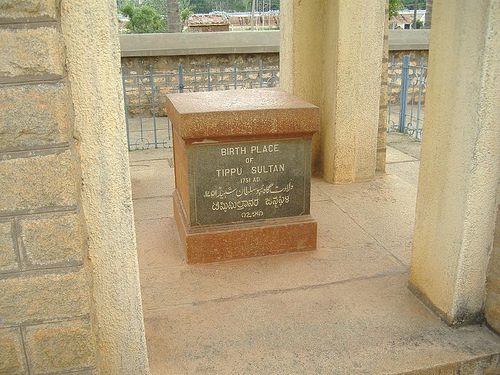
So way back in 2007, on our way back from Nandi Hills, we went to Devanahalli and visited the place where Tipu Sultan was born.
I keep wondering how could they exactly pinpoint the location and place the memorial at that exact spot!. Nevertheless, considering the sad state of our historical monuments, I am glad that at least something has been done in this case.
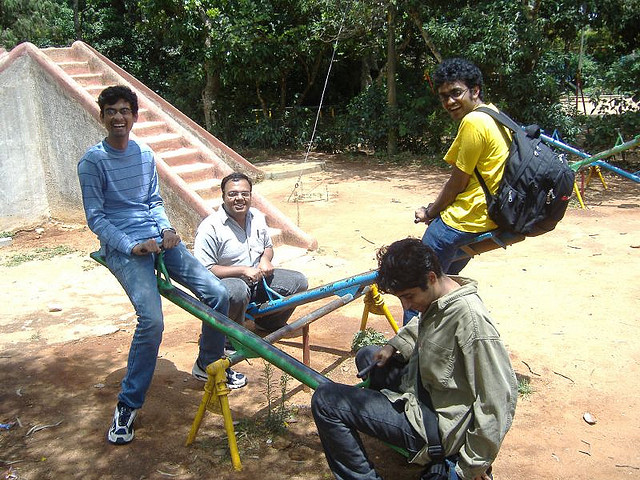
Was feeling quite nostalgic going through the photos, so here’s one photo of us doing monkey business in the gardens at Nandi Hills.
So a few months passed by and Harsha and I did the Wayanad Trip and here’s how the route looked like. I was am geographically challenged as they come and for a long time I was under the impression that Wayanad was an actual location, like a town!
This was also the first time I planned a trip using Google Maps and used Wikitravel quite extensively. Planning this trip and actually doing it in a non-touristy way actually helped me a lot during the North East trip a few months later.
Anyway, back to Tipu Sultan and the Wayanad Trip.
Having grown up watching The Sword of Tipu Sultan and being constantly reminded of how much of a Tiger Tipu was, I was always under the impression of him being a brave, benevolent ruler. I had also been to Srirangapatnam a few times earlier and was impressed, as any tourist would, by the structures Tipu constructed and the stories the guides would tell you.
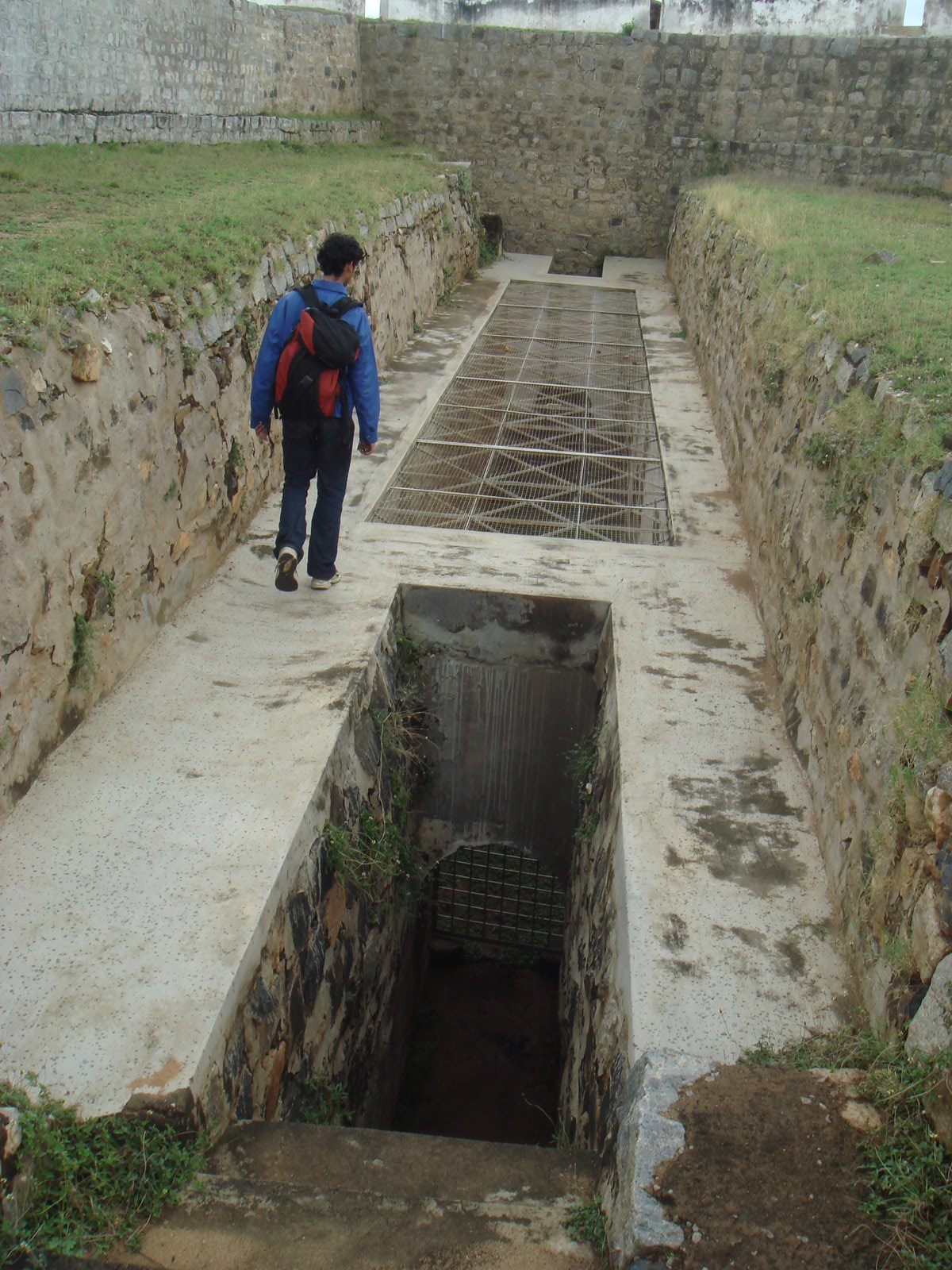
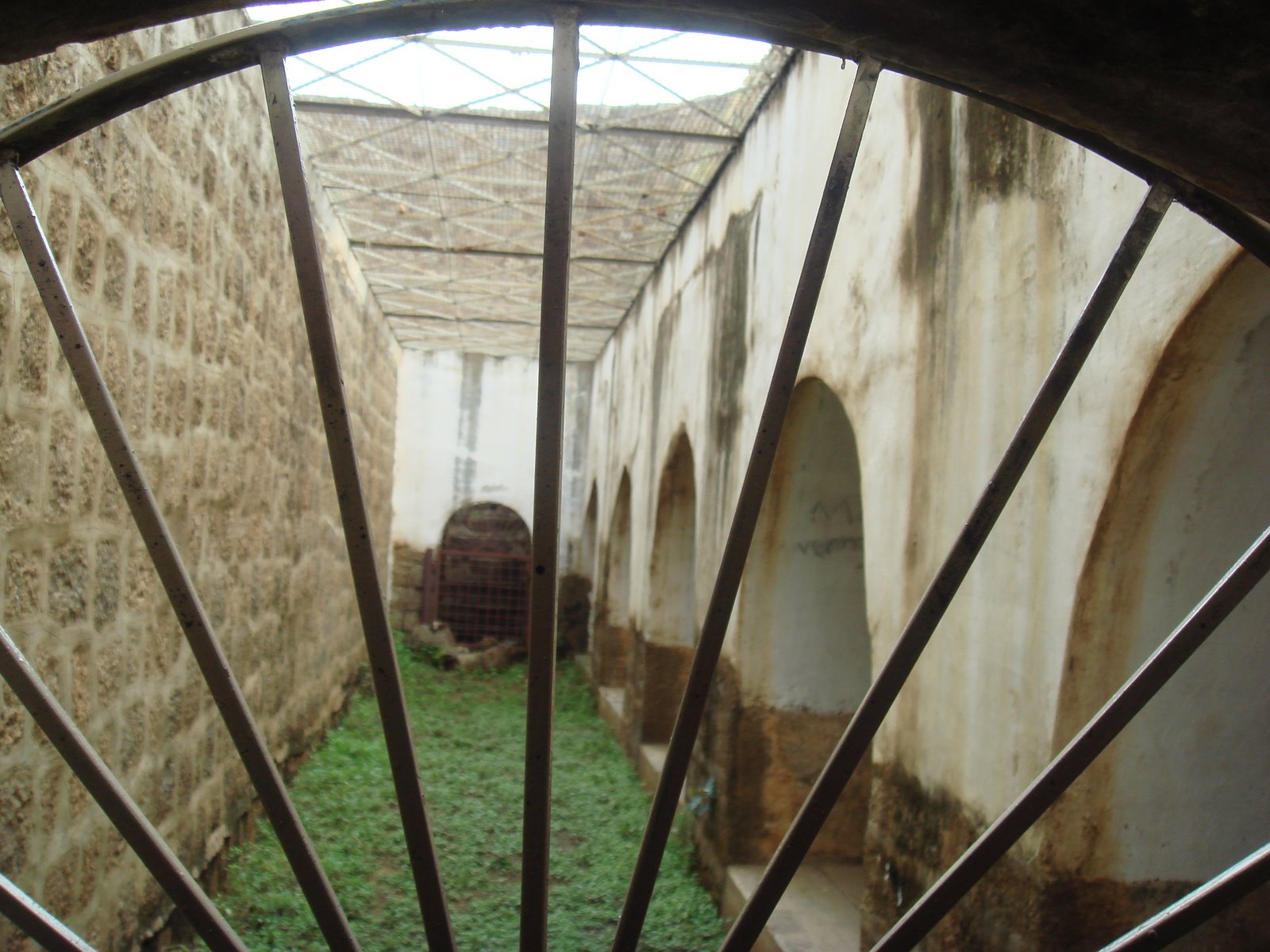
We stopped by at Srirangapatna on our way to Wayanad and for some reason, the dungeons that Tipu had built didn’t quite go down well with me. Well, just about every ruler has his own way to capture and punish his enemies, but somehow what I saw at Srirangapatna made me feel quite uncomfortable.
Prisoners used to locked up in these dungeons and left to die.
We went inside the dungeons and even though there was no apparent danger, it was quite scary.
Around that time, Tipu Sultan was in the news for one thing or the other. Be it Vijay Mallya
buying his sword at an auction (which apparently
became a double edged sword for him) or a controversy over the then Karnataka Higher Education Minster Shankaramurthy’s statement
that Tipu was anti-Kannada. Not that I was sure about my opinion one way or the other, but all this news about Tipu made me more curious and I started to look for more information around Tipu.
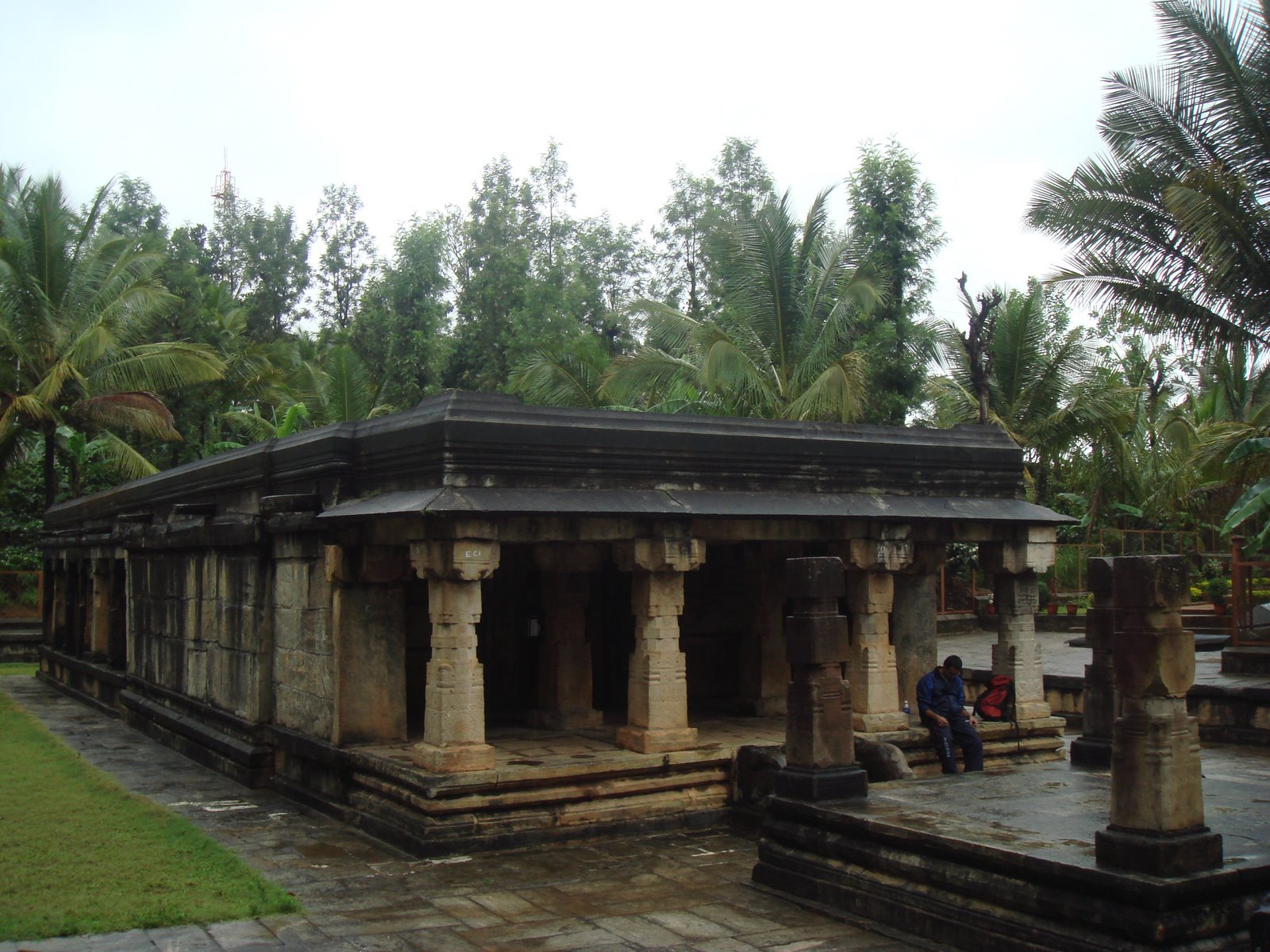
Our time at Wayanad actually led us to discover more about Tipu and his hitherto unknown exploits. The town of Sulthan Bathery (earlier known as Ganapathipuram) came to known thus because Tipu Sultan converted a Jain temple (abandoned they say, but debatable) into his battery. Locals we spoke to did not have nice things to say about Tipu and his rule, considering he conquered this area and ruled for a considerable amount of time.
We then traveled to other locations in the Wayanad area and had a fantastic 3 day bike trip covering over 800 km. But somehow the Tipu Sultan thread kept moving in my head.
After the Wayanad trip, we did some more treks to durgas near Bangalore and the Tipu Sultan association continued.
Makalidurga Trek (September 2009)
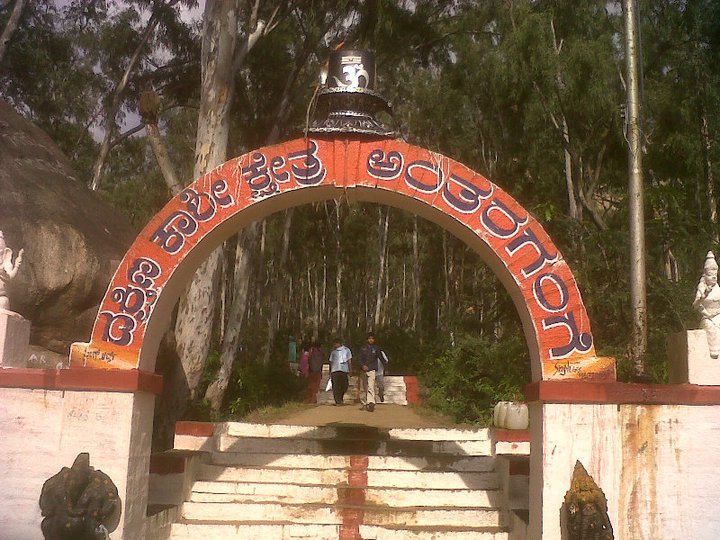
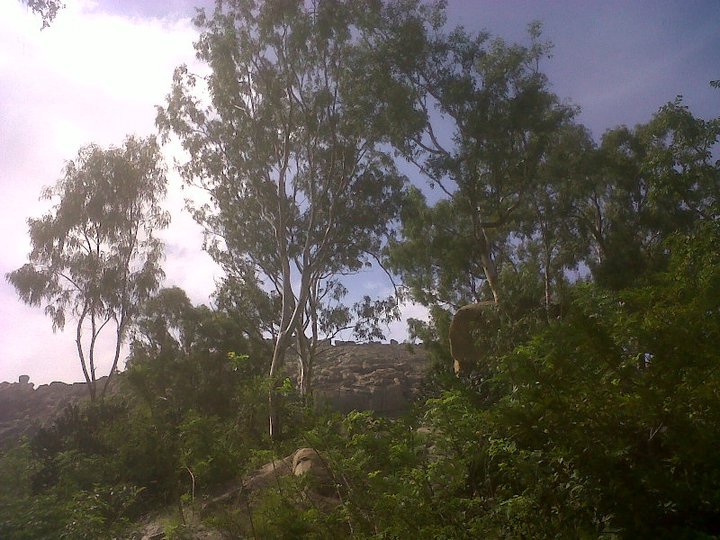
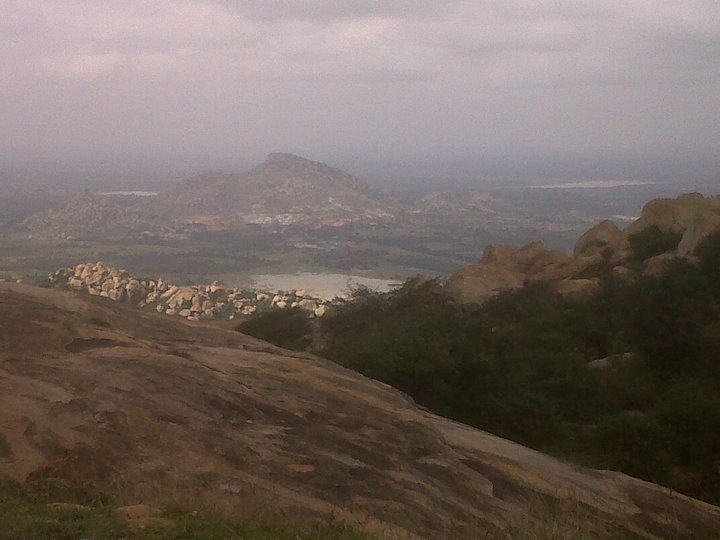
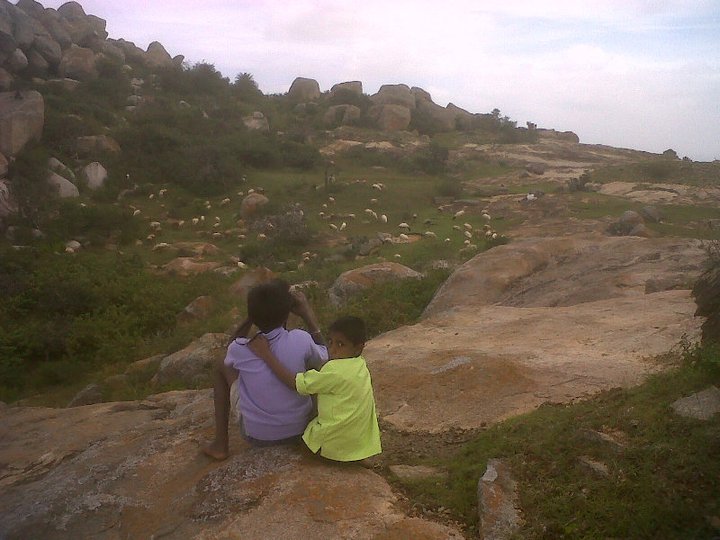
Antaragange – November 2010
What triggered my interest again in this subject again was a recent trek to
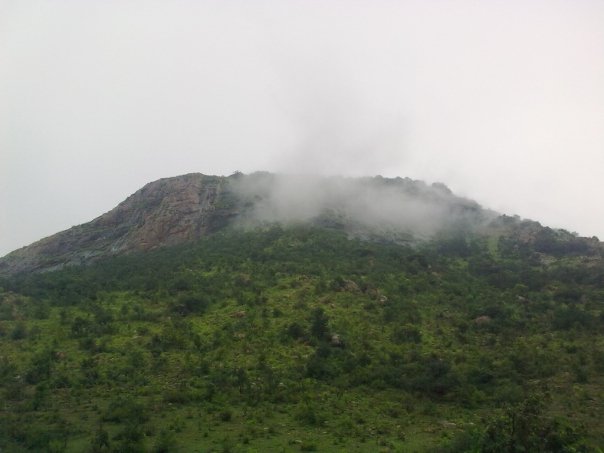
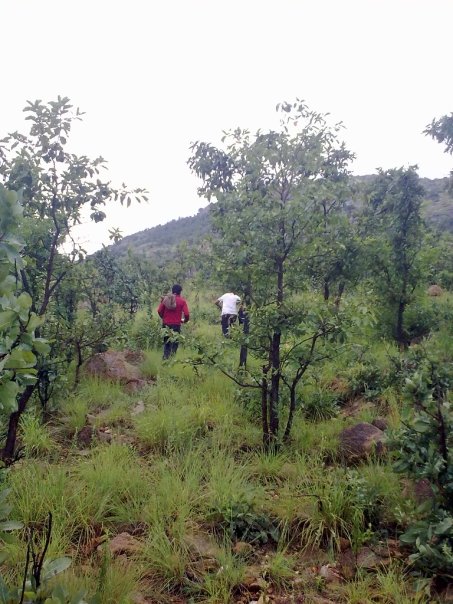
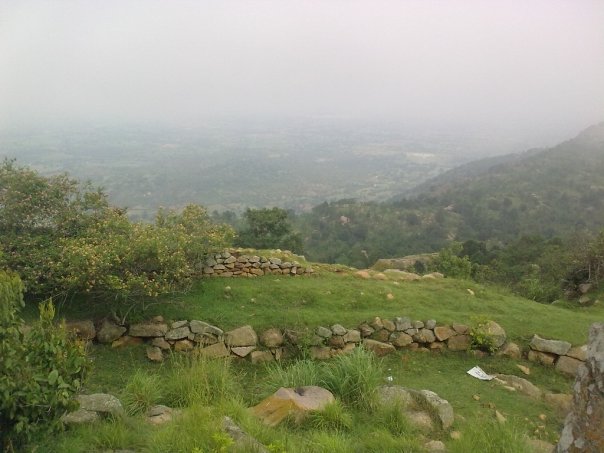
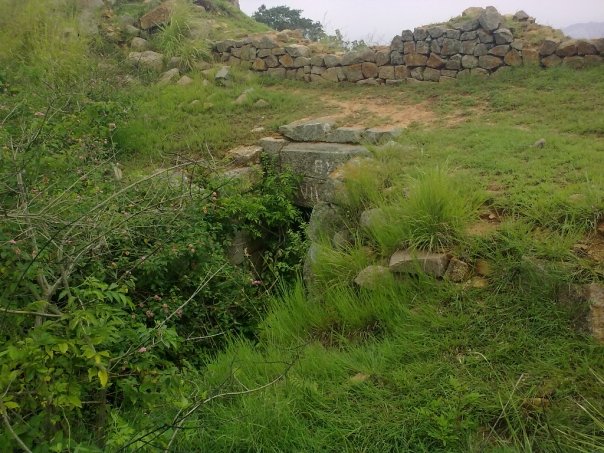
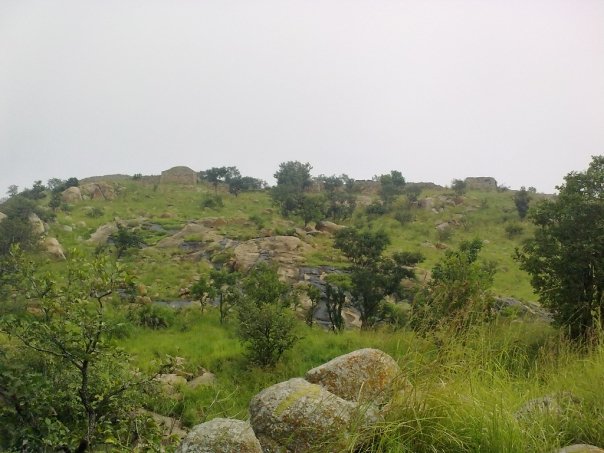
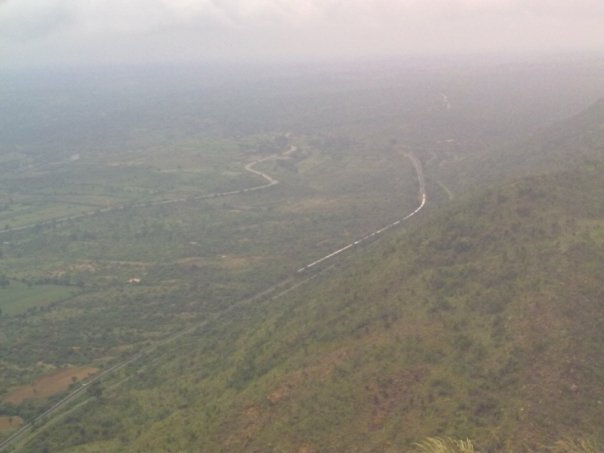
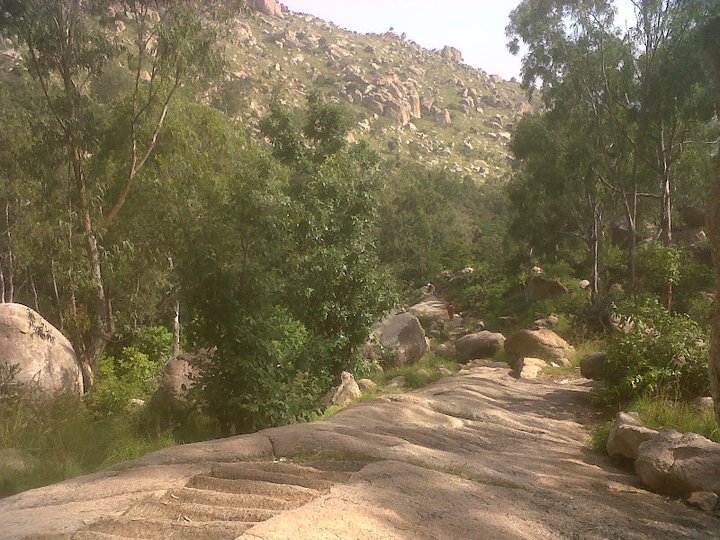
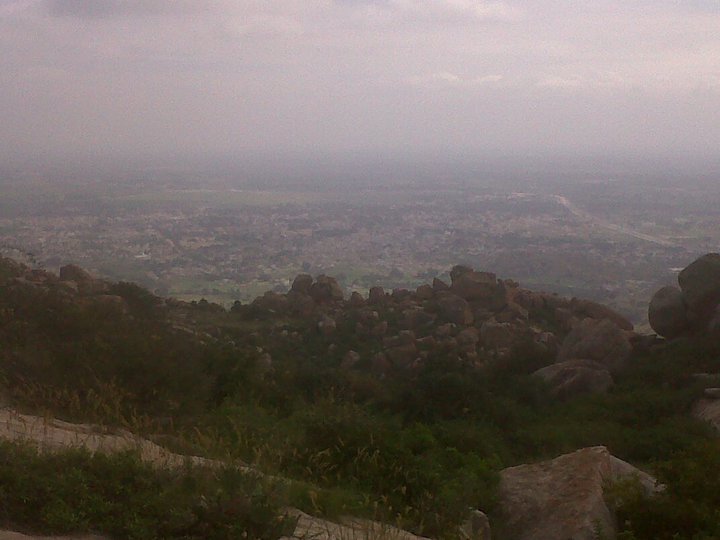
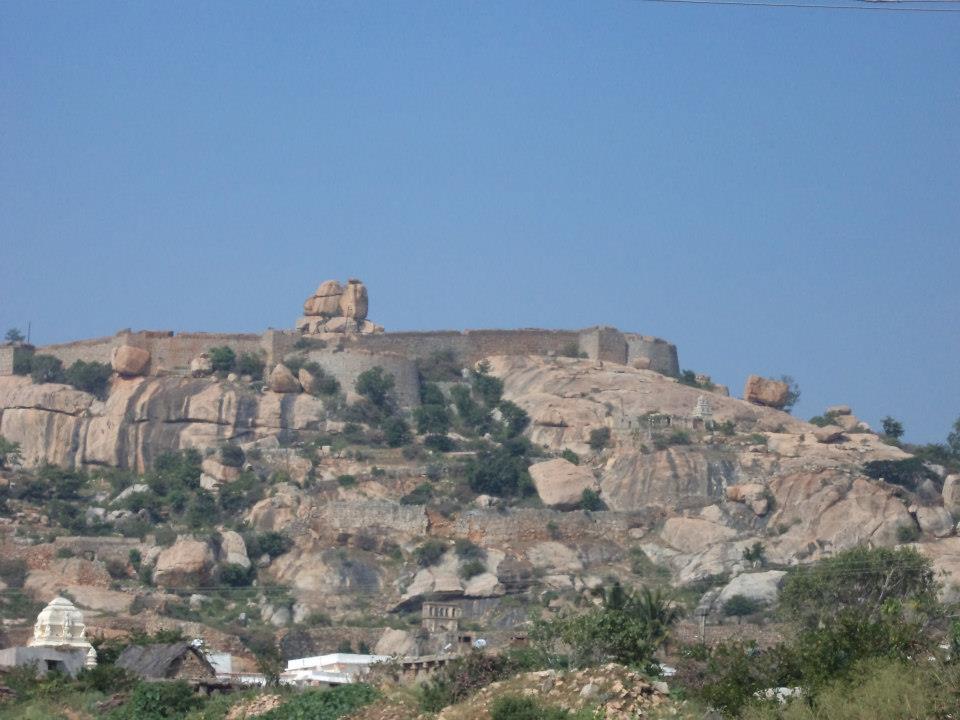
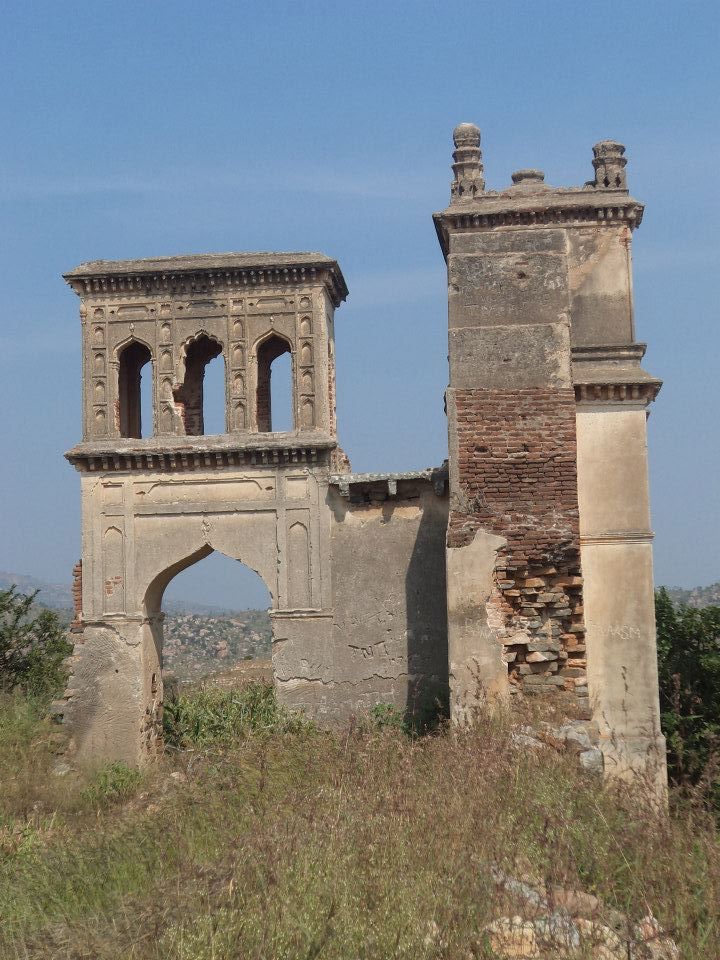
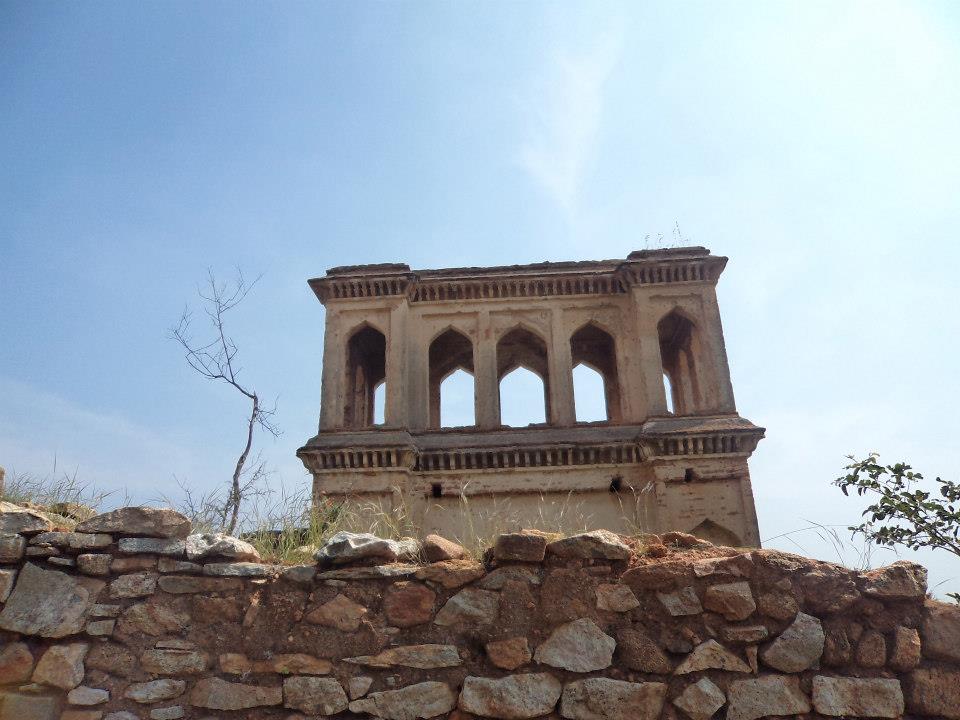
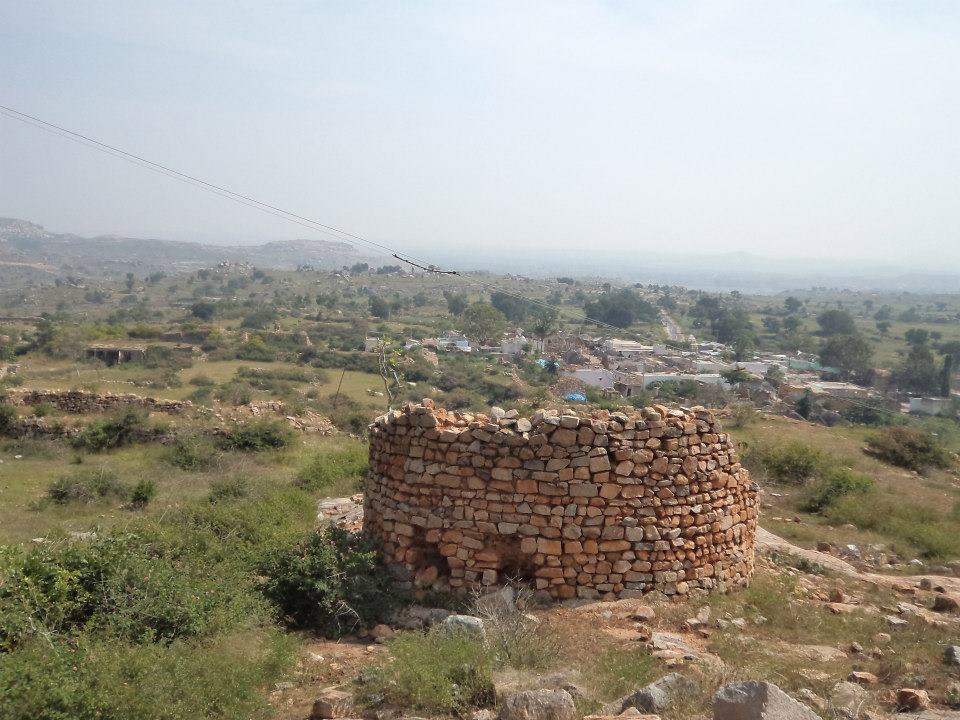
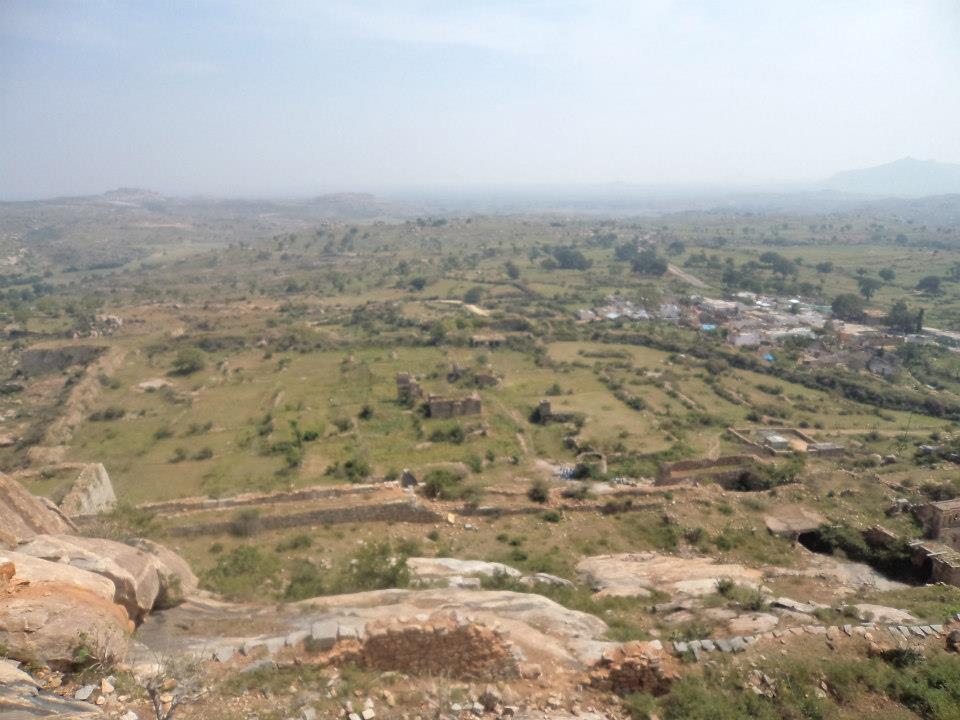
Gummanayakanapalya Fort , near Bagepalli about 100 kms on the Bangalore – Hyderabad highway. It felt quite good to get out of the rut and come outdoors once again. The place has quite a rich history and is again connected to Tipu Sultan. Here are some photos from the trek:
Again, Tipu Sultan was in the news this time around as well. There is a proposal to set up a new university in Srirangapatna and
name it after Tipu Sultan. Moreover, 50% of the seats are to be reserved for students the minority community. Naturally, there is
strong opposition to this move. And this time, the arguments against Tipu Sultan were quite serious and I got to know how
heinous his crimes were. Also, there are demands that Bangalore International Airport be
named after Tipu Sultan as it is located in Devanahalli, his place of birth.
I happened to come across a blog post,
Coming Soon: An Entitlement University Named After a Mass Murderer by
Sandeep. You’d be familiar with Sandeep if you’re on Twitter and follow the whole secular v/s internet hindus debate. Sandeep is one of the more prominent and vocal right wing voices on Twitter and writes very purposefully and persuasively. Though I don’t necessarily subscribe to everything he and the rest of the right wing folks say, but I have definitely come round to an understanding that everything the secular and mainstream media feeds us isn’t the gospel truth and needs to consumed with tonnes of salt. Anyway, more on that later.
The comments to that blog post make for, if not more, as much interesting a reading as the blog post itself. It is through one of the comments that I came across a blog post on Tipu Sultan by one Capt. Ajit Vadakayil. Go through the
blog if you have time and it is
interesting for sure.
Now, the blog post on
Tipu Sultan by Capt. Ajit Vadakayil makes for some fascinating reading. It talks about how the most of the wealth of the
Rothschilds came from Tipu’s coffers. Quoting from the blog post:
Opium drug runner German Jew Rothschild’s who owned the British East India Company, is hardly known any where in India or the world. Rothschild owns 80% of Israel and runs the US Federal Reserve.
Their wealth in 2011 runs in excess of 300 trillion US dollars, or 300,000 billion dollars. But they don’t find a name in the Forbes 500 list.
HOW DID ROTHSCHILD LAY THEIR HANDS ON SO MUCH MONEY?
WELL , TIPU SULTANS GOLD WENT INTO THEIR VAULTS. THEIR FASTEST CLIPPER SHIPS WERE READY TO CART AWAY TONNES GOLD IN 1799 WORTH MORE THAN 300 BILLION , THREE MONTHS BEFORE TIPU WAS KILLED.
I suggest that you read the entire blog post. It goes on to talk about how the Rothschilds were supporting both the British and the Americans in the American War of Independence. It also claims that the Rothschilds supported both the British and the French in India, about how Tipu was tricked into believing the French and the British waited for Tipu to clean up all the gold from North Kerala temples and then conquer him to acquire all that wealth.
I can not vouch for the authenticity of all this information, but it does make one consider the possibility of all that being true. With the value of all the treasure found at the Padmanabhaswamy Temple in Thiruvanathapuram estimated to be nearly US $ 22 bn, without taking into account their antique value. Also, God only knows (pun intended!) know how many more temples still have such treasures hidden. So, it does make one wonder whether a lot of the wealth that made the foreign powers wealthier came from Kerala.
Also came across an interview with Gurcharan Das on a 15-volume series on Indian business that he’s editing and curating. One of the books in the series is a booked called Merchants of Tamilakam: Pioneers of International Trade by Kanakalatha Mukundan. Below is an excerpt from the interview where Mr. Das talks about this book and the context (emphasis mine):
What triggered the Tamilakam book was the discovery of a great hoard of coins in the Padmanabhaswamy temple at Thiruvananthapuram. They found a huge amount of Roman coins, and that got me thinking. Every few years we find these Roman coins in Tamil Nadu… Arikamedu. I said, we need to learn more about the Roman trade with Kerala and Tamil Nadu. (That time, there wasn’t that distinction between Kerala and Tamil Nadu. It was Tamilakam). And then I had read somewhere, a quote from the Roman senator, Pliny, who was speaking to the Roman senate. He called India this sink of the world’s gold. He tells Roman senators to tell their wives to use less Indian spices, Indian silks, Indian cottons, because ‘the Indians are not buying anything from us, and so we’re losing our gold’: 65% of Rome’s gold was landing in Tamil Nadu and that’s why you find all these pots of Roman coins. And Kanakalatha, who wrote this volume, she says, that at the height of this, one ship was arriving every day in Tamilakam from the Roman Empire.
Going by the above and believing for a moment that the British, rather the Rothschilds, had set their eyes upon this wealth in Kerala and wanted to capture that through Tipu Sultan, what Capt Vadakayil writes in his blog doesn’t appear outlandish at all! It could then very well turn out that Tipu Sultan played a much larger role in our history than what is currently attributed to him.
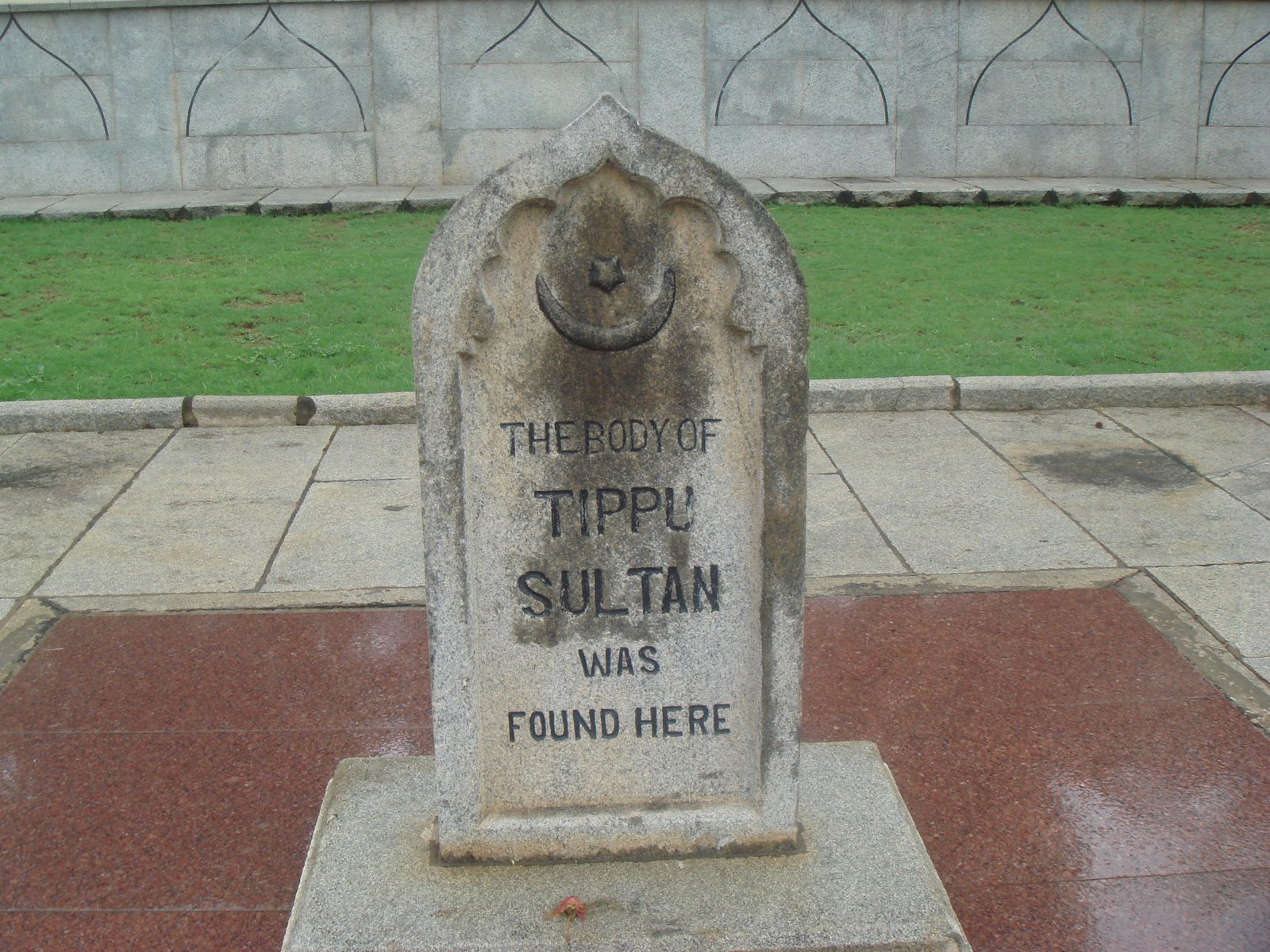
This story started with a visit to Tipu’s birthplace and a visit has happened to his place of death as well. But then the story doesn’t end here.
There’s also an interesting story about how Tipu Sultan got his name. And this was in a comment to Capt. Vadakayil’s blog post on Tipu Sultan!
This is how Tippu Sultan got his name…It is not very well know even within Karnataka too…Hyder Ali did not have a son and he was advised by one of his subjects to meet a saint by the name of Thippey Rudraswamy of Nayakana hatti village in Chitradurga district of Karnataka. The word “Thippey” means garbage ground in Kannada since the great mystic saint used to spend most of his time sitting on it. There any many people who follow the Jeevasamadhi temple of this saint and have his name. Hyder Ali got a son after the blessings from the saint and decided to name his son’s name as Thippey Sultan in gratitude to the saint which then later he was called as Thippu Sultan by the British.
Turns out that this story some substannce as well! When I looked up for Nayakana Hatti, there was indeed a Thippeswamy and stories about how Tipu Sultan is named after him. And Chitradurga isn’t very far! So Tipu hopefully takes us on another trip soon and God knows what other discoveries will it lead to!


 Nikhil Kulkarni
Leave a reply to how to install asphalt roll roofing Cancel reply